


Common Workplace Habits That Kill Productivity
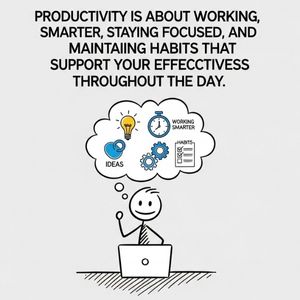
Productivity isn’t just about working harder or putting in longer hours. It’s about working smarter, staying focused, and maintaining habits that support your effectiveness throughout the day.
 Yet, many professionals unknowingly sabotage their own productivity through habits that seem harmless but gradually drain their energy, focus, and efficiency.
These habits can creep into your routine without you noticing, and over time, they can significantly impact your performance, career growth, and overall job satisfaction.
The good news is that once you identify these productivity killers, you can replace them with better habits that help you accomplish more in less time while feeling less stressed and more in control.
Best Jobs for Students Who Want Extra Income
Why Workplace Habits Matter For Productivity
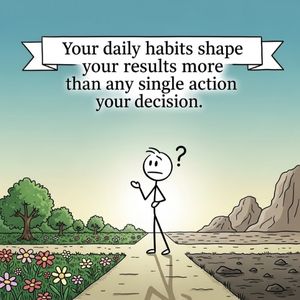
Your daily habits shape your results more than any single action or decision.
 Small behaviors repeated consistently over time create patterns that either support or undermine your productivity.
When you develop good workplace habits, you create systems that make it easier to stay focused, manage your time effectively, and produce high-quality work without constant effort or willpower.
On the other hand, bad habits create friction, waste time, drain your energy, and make even simple tasks feel overwhelming.
The challenge is that many productivity-killing habits don’t feel destructive in the moment.
They might even feel comfortable or necessary.
But their cumulative effect over weeks and months can be devastating to your career progress and personal well-being.
Let’s explore the most common habits that kill productivity and how to break free from them.
1. Working in a Messy or Disorganized Workspace
A cluttered desk isn’t just an aesthetic issue, it’s a productivity nightmare.
When your workspace is covered with papers, random objects, old coffee cups, and unnecessary items, it becomes harder to focus and find what you need when you need it.
Visual clutter creates mental clutter. Your brain has to process all those items in your field of vision, even when you’re trying to concentrate on something else.
This constant background noise drains your mental energy and makes it difficult to maintain deep focus on important tasks.
How to Work Abroad Legally as a Beginner
Why it matters
A disorganized workspace reduces your ability to concentrate, slows down your work process, and creates unnecessary stress throughout your day.
Studies show that people working in cluttered environments experience higher levels of cortisol (the stress hormone) and lower productivity compared to those in organized spaces.
What to do instead
Start each day with a quick five-minute cleanup of your workspace.
Put away items you’re not currently using, file documents properly, and clear your desk of everything except what you need for your immediate task.
Use desk organizers, filing systems, and storage solutions to give everything a designated place.
When items have a home, it’s easier to keep your space tidy.
At the end of each workday, spend a few minutes resetting your desk so you start fresh the next morning. This simple habit creates a sense of control and sets a positive tone for your day.
A clean, organized workspace promotes clarity, reduces stress, and makes it easier to maintain focus on your priorities.
10 Best Free Websites for Job Search in 2025
2. Constantly Checking Emails And Messages
Email and instant messaging are essential communication tools, but they’re also major productivity killers when used without discipline.
Many professionals keep their email open all day, responding to messages as they arrive and constantly checking for new notifications.
This habit might make you feel responsive and on top of things, but it’s actually fragmenting your attention and preventing you from doing deep, meaningful work.
Every time you check your email or respond to a message, you break your concentration. It then takes several minutes to fully refocus on what you were working on before the interruption.
How to Explain Employment Gaps on Resume
Why it matters
Constant email checking destroys your ability to do focused work and makes you reactive rather than proactive. Instead of working on your priorities, you spend your day responding to other people’s priorities.
Research shows that it takes an average of 23 minutes to fully recover your focus after an interruption. If you’re checking email every 15-20 minutes, you never reach deep focus at all.
What to do instead
Set specific times during the day to check and respond to emails—for example, at 9 AM, noon, and 4 PM. Outside these windows, keep your email closed and turn off notifications.
Why You’re Not Getting Interviews and How to Fix It
Use your most productive hours for focused work on important tasks, not for processing messages.
If your role requires more frequent email monitoring, try checking every hour or two rather than constantly. Batch your responses instead of replying to each message individually as it arrives.
Communicate your email schedule to colleagues so they know when to expect responses and understand that you’re not ignoring them—you’re protecting your productivity.
At apexglobalcareer.com, we often advise professionals to treat email as a tool they control, not a master they serve.
3. Multitasking Instead Of Focusing On One Task
Multitasking feels productive because you’re doing multiple things at once, but it’s actually one of the biggest productivity myths.
Your brain can’t truly focus on multiple tasks simultaneously.
What you’re actually doing is rapidly switching between tasks, and each switch costs you time and mental energy.
When you try to write a report while responding to Slack messages, attending a meeting while answering emails, or making phone calls while reviewing documents, the quality of your work suffers and everything takes longer.
How to Work Remotely Without Getting Distracted
Why it matters
Multitasking reduces the quality of your work, increases mistakes, and makes tasks take significantly longer than if you focused on them individually.
Studies show that multitasking can reduce productivity by up to 40% and lower your effective IQ by an average of 10 points while you’re doing it.
What to do instead
Practice single-tasking, focusing on one task at a time until it’s complete or until you reach a natural stopping point.
Close unnecessary tabs and applications on your computer. Put your phone on silent or in another room. Let colleagues know you need focused time and shouldn’t be interrupted unless it’s urgent.
Use time blocking to dedicate specific periods to specific tasks. For example, spend 9-11 AM on your most important project without any interruptions, then take a break before moving to the next task.
When you give your full attention to one task, you work faster, produce better results, and actually finish things rather than having multiple projects perpetually in progress.
Top 10 Job Search Mistakes to Avoid in 2025
4. Attending Unnecessary Meetings
Meetings are essential for collaboration and communication, but too many meetings can destroy individual productivity.
Many professionals spend half their workweek in meetings—some valuable, many not.
When meetings consume most of your schedule, you have little time left for actual work.
This forces you to complete tasks outside normal hours or rush through them without proper focus, both of which reduce quality and increase stress.
Why it matters
Excessive meetings fragment your day, leave little time for focused work, and create a constant sense of being busy without being productive.
Not every discussion needs to be a meeting. Many issues can be resolved through quick email exchanges, instant messages, or brief one-on-one conversations.
How to Get Your First Job Without Connections
What to do instead
Before scheduling or accepting a meeting invitation, ask yourself: Could this be handled via email or a quick call instead? Do I really need to attend, or could someone else represent my perspective?
Decline meeting invitations that don’t require your direct input or where your time would be better spent on other priorities. It’s okay to say no politely.
When you must attend meetings, advocate for clear agendas, defined time limits, and specific outcomes.
Come prepared so discussions stay focused and decisions get made efficiently.
Consider implementing meeting-free days or blocks of time when your team protects everyone’s schedule for deep work.
Your calendar should support your priorities, not control them.
Simple Job Application Tips That Actually Work
5. Skipping Breaks And Working Throughout Lunch
Working through breaks might seem like a good way to get more done, but it actually backfires.
Your brain needs periodic rest to maintain focus, creativity, and energy.
Without breaks, your productivity decreases throughout the day, and you’re more likely to make mistakes.
Many people eat lunch at their desks while continuing to work, thinking they’re being efficient. In reality, they’re missing an opportunity to recharge and return to work with renewed energy.
Why it matters
Skipping breaks leads to mental fatigue, reduced focus, poor decision-making, and eventually burnout.
Working for 8 hours straight is less productive than working for 6-7 hours with regular breaks. Your brain simply can’t maintain peak performance without rest.
What Are The 5 Most Common Interview Mistakes?
What to do instead
Take short breaks every 60-90 minutes. Stand up, stretch, walk around, look away from your screen, or step outside for fresh air.
Use your lunch break as an actual break. Leave your desk, eat in a different location, and give yourself time to mentally disconnect from work.
Consider using the Pomodoro Technique: work for 25 minutes, then take a 5-minute break. After four cycles, take a longer 15-30 minute break.
These breaks don’t waste time, they restore your mental energy and help you work more effectively when you return to your tasks.
What Are the Three Golden Rules of an Interview?
6. Saying Yes to Everything
Being helpful and accommodating is admirable, but saying yes to every request destroys your productivity.
When you take on too many commitments, projects, and responsibilities, you spread yourself too thin. Nothing gets your full attention, deadlines become stressful, and quality suffers.
Many people say yes because they want to be seen as team players or fear disappointing others.
But overcommitment helps no one, not you, not your colleagues, and not your employer.
Why it matters
Taking on too much leads to missed deadlines, rushed work, constant stress, and eventual burnout.
How Do You Answer “Why Should We Hire You” in an Interview?
You can’t do everything well. Trying to do so means you’ll do many things poorly instead of doing a few things excellently.
What to do instead
Before agreeing to new tasks or projects, honestly assess your current workload and capacity.
Learn to say no politely but firmly: “I’d love to help, but I’m currently committed to [other priority] and won’t be able to give this the attention it deserves.”
If you must take on something new, ask what you can deprioritize or hand off to make room for it.
Protect your time for your most important responsibilities. Being selective about commitments allows you to deliver excellent results on what matters most.
How to Navigate a Successful Career Change as a Young Professional
7. Working Without Clear Priorities
Starting your day without clear priorities is like driving without a destination, you might stay busy, but you won’t necessarily arrive anywhere meaningful.
Many professionals jump into their day reacting to whatever seems urgent or catches their attention first. They work hard all day but end feeling like they accomplished nothing important.
Why it matters
Without clear priorities, you waste time on low-value activities while important work gets neglected.
Is it a Red Flag to Leave a Job After 3 Months?
Busy doesn’t equal productive. You can be extremely busy doing trivial tasks while your most important responsibilities fall behind.
What to do instead
Start each day by identifying your top 3 priorities—the tasks that will have the biggest impact on your goals.
Schedule time for these priorities during your most productive hours. Protect this time from interruptions and distractions.
Before accepting new tasks or requests, ask yourself: Is this more important than my top priorities? If not, it should wait or be delegated.
At the end of each day, review what you accomplished and plan your priorities for tomorrow.
This simple habit ensures you’re always working on what matters most rather than just what seems urgent in the moment.
What is the 7 Second Rule for CV?
8. Neglecting Your Physical Health
Productivity isn’t just mental, it’s physical too. Poor health habits directly impact your ability to focus, think clearly, and maintain energy throughout the day.
Sitting for hours without movement, eating unhealthy food, skipping exercise, and not getting enough sleep all diminish your productivity over time.
Why it matters
Physical discomfort, low energy, and poor health make it difficult to concentrate and do your best work.
Your body and mind are connected, When your physical health suffers, your mental performance declines as well.
What is The 8 8 8 Rule For Work-Life Balance?
What to do instead
Take regular movement breaks throughout your day. Stand up, stretch, walk around, or do simple exercises at your desk.
Eat nutritious meals and snacks that provide sustained energy rather than quick sugar spikes and crashes.
Invest in ergonomic furniture a good chair, properly positioned monitor, and comfortable keyboard can prevent pain and fatigue.
Prioritize sleep. Most adults need 7-9 hours per night for optimal cognitive function. Staying up late to work more usually backfires the next day.
Taking care of your physical health isn’t separate from productivity, it’s the foundation of it.
How to Balance Work and Life in a Remote Job
9. Perfectionism and Over-editing
Striving for excellence is good, but perfectionism kills productivity.
When you spend hours obsessing over minor details, endlessly revising work that’s already good enough, or refusing to move forward until everything is perfect, you waste valuable time and energy.
Perfect is often the enemy of done.
While you’re polishing something that’s already 95% there, other important work sits untouched.
How to Make $80,000 a Year Working from Home?
Why it matters
Perfectionism leads to missed deadlines, analysis paralysis, and prevents you from completing tasks and moving on to new priorities.
In most situations, delivering very good work on time is better than delivering perfect work late.
What to do instead
Set clear completion criteria before starting tasks. Define what “done” looks like so you know when to stop.
How to Write a Professional Resume That Gets You Hired Fast
Aim for excellence, not perfection. Do your best work within reasonable time constraints, then move on.
Use the 80/20 rule: often, 80% of the value comes from 20% of the effort.
Focus your energy on the high-impact elements rather than perfecting every detail.
Get feedback early and often rather than waiting until something is perfect. This prevents wasted effort on things that might need to change anyway.
Done is better than perfect. Completed work creates results; endless revision creates frustration.
Best Jobs for Students Who Want Extra Income
Final Words
Productivity isn’t about working longer hours or trying harder—it’s about eliminating the habits that waste your time and energy.
By addressing these common productivity killers, you can accomplish more in less time while feeling less stressed and more in control of your work.
Start by identifying which of these habits affects you most, then focus on changing one or two at a time. Small improvements add up to significant results over weeks and months.
Create a workspace that supports focus, protect your time from constant interruptions, single-task instead of multitasking, be selective about meetings and commitments, take regular breaks, and prioritize your most important work.
Remember, productivity isn’t an end in itself, it’s a means to accomplish your goals, advance your career, and maintain balance in your life.
At apexglobalcareer.com, we’re committed to helping professionals build habits and systems that support sustainable success throughout their careers.
Take control of your habits, and you’ll take control of your productivity and your results.